Lime plaster in London period homes: when it matters, and when it does not
Some London buildings need it. Many do not. A brief on when lime is the only honest answer — and when it isn't.
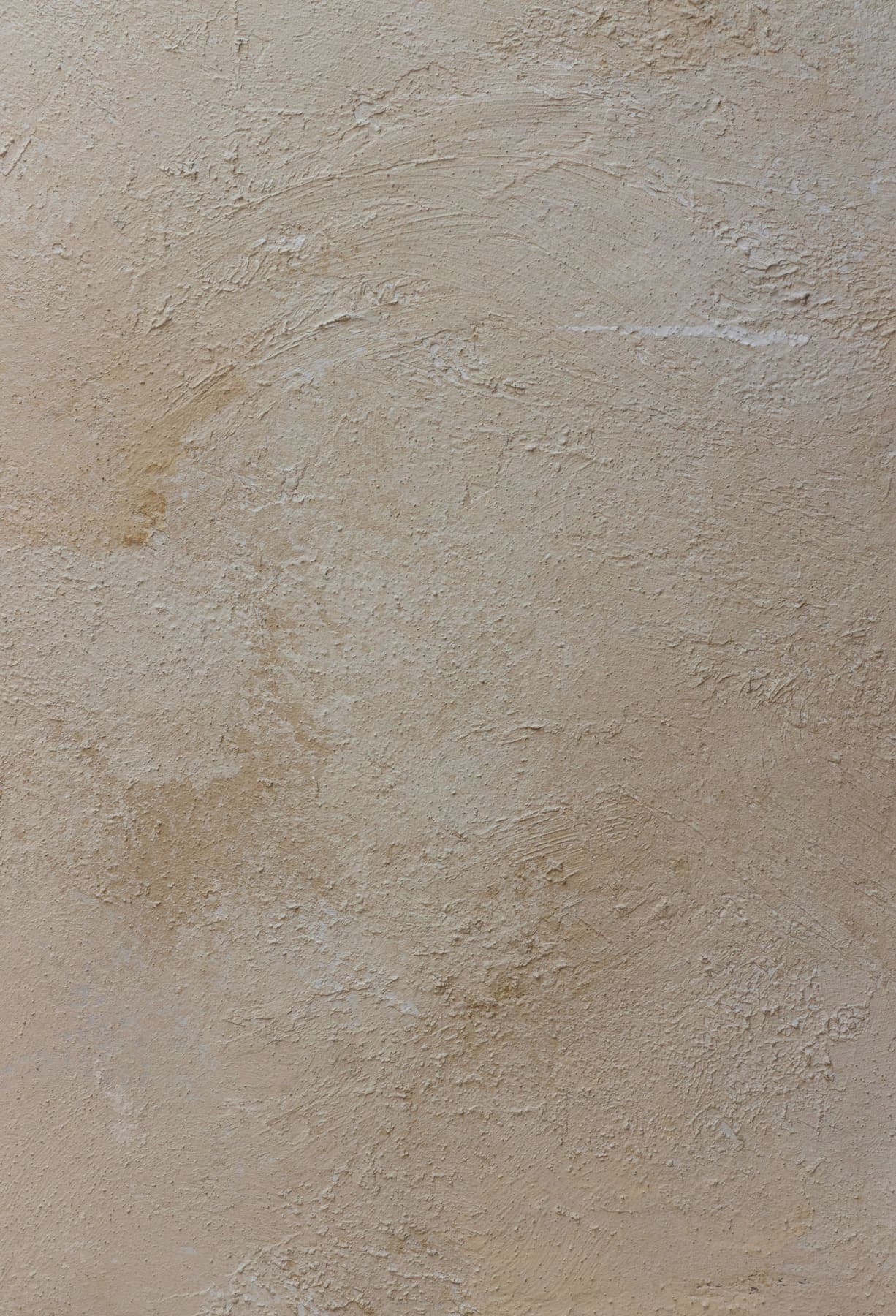
ime plaster is one of those subjects that polarises the building trade. To some, it is a heritage affectation — the kind of thing a conservation officer insists on and a client politely tolerates. To others, it is the only honest finish for a building older than the cement industry. Both views are partial. The truth, as is often the case in London, sits in between, and depends entirely on the building.
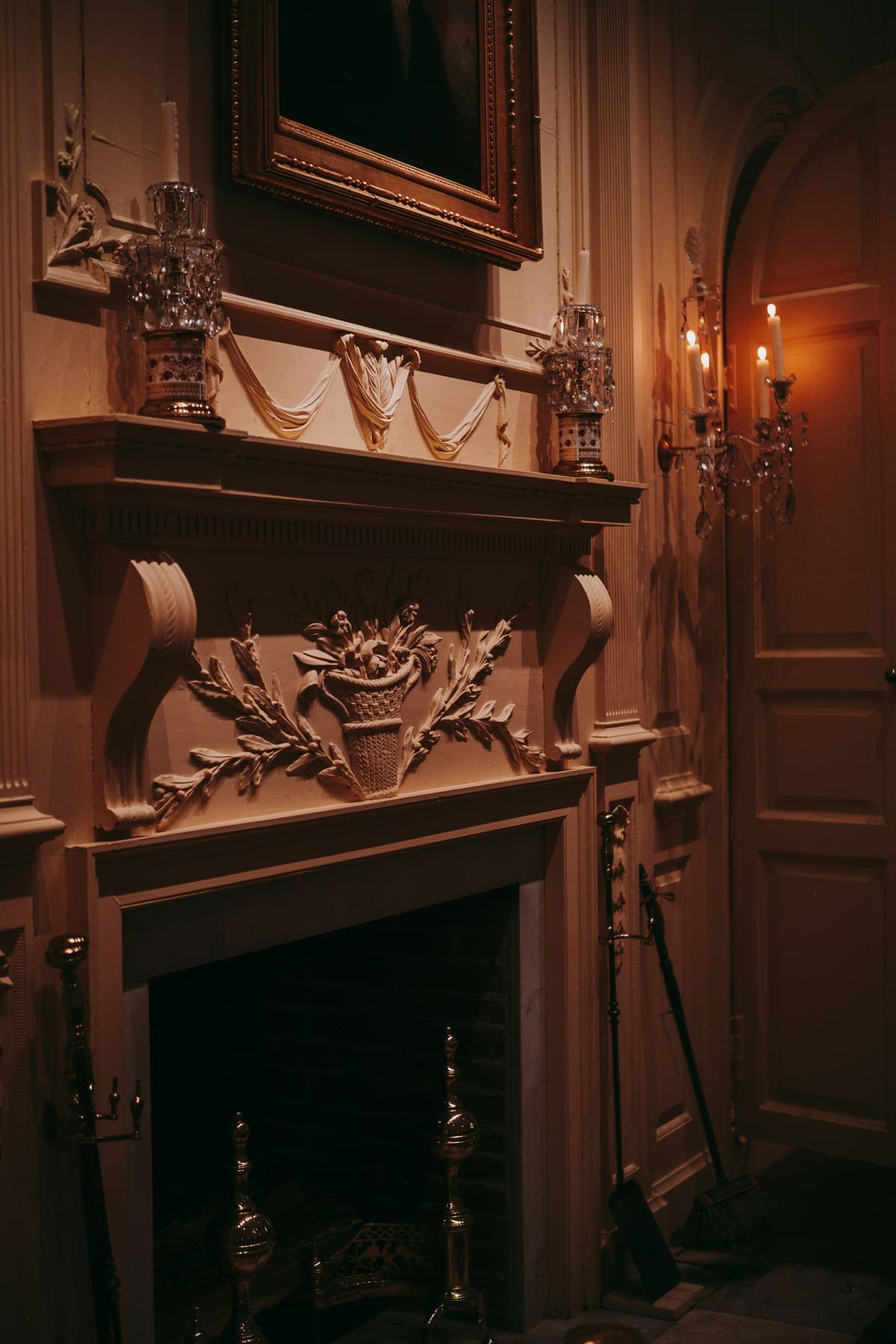
London is full of period homes whose internal walls have been stripped, replaced, patched and re-skimmed in every plaster system available since the 1950s. Walk into a Georgian townhouse in Belgravia and you may find original lime plaster on lath behind a 1980s gypsum skim, behind a 2010s dry-line and battened plasterboard, behind a recent hardwall patch where someone repaired around a new socket. Every layer makes the next failure more likely, and every layer obscures the question the building was originally asking — which is, simply: let me breathe.
Period London walls were built to manage moisture, not to keep it out. A solid brick wall absorbs moisture from the air and from the masonry beneath it, holds it for hours or days, and releases it back when conditions change. Lime mortar, lime render and lime plaster are part of that system: they are vapour-permeable, slightly flexible, and they wear gradually. Cement, gypsum and modern paints are none of those things. Apply them to an old wall and the wall, having no other route, will push moisture out through the path of least resistance — typically into the room, through the skirting, or through a decorative finish that should have lasted decades.
This is not theoretical. The most common refurbishment defect we are asked to look at in central London is damp showing through brand-new decoration in a recently-renovated period property. Almost always, the cause is the same: an impermeable system has been applied to a solid masonry wall, and the wall has done what it always does. The contractor who hung the new plasterboard was not negligent. The wall was not faulty. The two were simply incompatible.
So when does lime matter? Three situations, in our experience, make it the only honest answer. The first is a listed building or a property in a conservation area where the original lime fabric is intact behind whatever has since been added. Removing the later additions and reinstating lime is usually a condition of consent, and the right answer regardless. The second is a solid-wall period property where damp is already showing through new decoration — the building is telling you what it needs, and the cheapest path is to listen. The third is any period property where the long-term plan is to keep and maintain the building, rather than refit it on a cycle. Lime is slower to apply, but it lasts longer, breathes better, and is endlessly repairable. Modern finishes are designed to be ripped out and replaced. The two have different intentions.
When does it not matter? Not every old building requires lime everywhere. A property whose external walls have been correctly insulated and dry-lined, with a continuous vapour control layer, can be finished in modern plaster and modern paint without issue — provided the system is genuinely continuous and provided the original lime substrate, where present, has not been left to fight the new system. New build, new extensions, modern partitions, structurally renewed elements — these have no reason to be in lime unless an architectural specification calls for it. Heritage is not an aesthetic; it is a response to a specific building condition. Where the condition does not apply, the response is not required.
If a project does call for lime, the specification matters more than the brand. There is no single "lime plaster" — there is hot-mixed lime, hydraulic lime, lime putty, and a range of pre-mixed proprietary products of varying quality. The right choice depends on the substrate, the exposure, the rate of carbonation needed, and the finish. We work with conservation-grade lime systems on listed work and on solid-wall period properties, and we set out the specification in writing — including substrate preparation, number of coats, mix ratios, curing times, and the temperature and humidity window during application. A lime job rushed in cold weather is not a lime job; it is a wasted week and a callback.
The decorative finish is part of the specification, not an afterthought. A lime plaster wall finished in a modern vinyl-based paint will fail in the same way an impermeable plaster does — the wall will breathe, the paint will not, and the surface will craze and lift. Lime plaster is finished with limewash, distemper, or one of the modern breathable mineral paints that respect the system underneath. We brief our painters on this before the first wall is closed up, not after.
The short answer to the question we are most often asked — "do we need lime plaster?" — is: it depends on what the building is asking. In a Georgian or Victorian London terrace whose walls are solid masonry and whose original fabric is largely intact, the answer is usually yes, and the cheapest finish in the medium term is lime. In a fully insulated, dry-lined property with continuous modern wall build-ups, the answer is usually no. In a hybrid building — most of London — the answer is: room by room, wall by wall, and only after looking at what is actually there.
We are happy to look at a property and give you our view in writing before any work begins. It is part of pre-construction; it is not an extra cost; and it is significantly cheaper than redecorating a wall twice in two years.
Cubitt Wren
Inspired by the greats. Built by hand.