Listed building consent: what to understand before refurbishing a London property
Consent is not a paperwork exercise. It is the design discipline a listed building deserves, and the document a competent contractor reads before quoting.
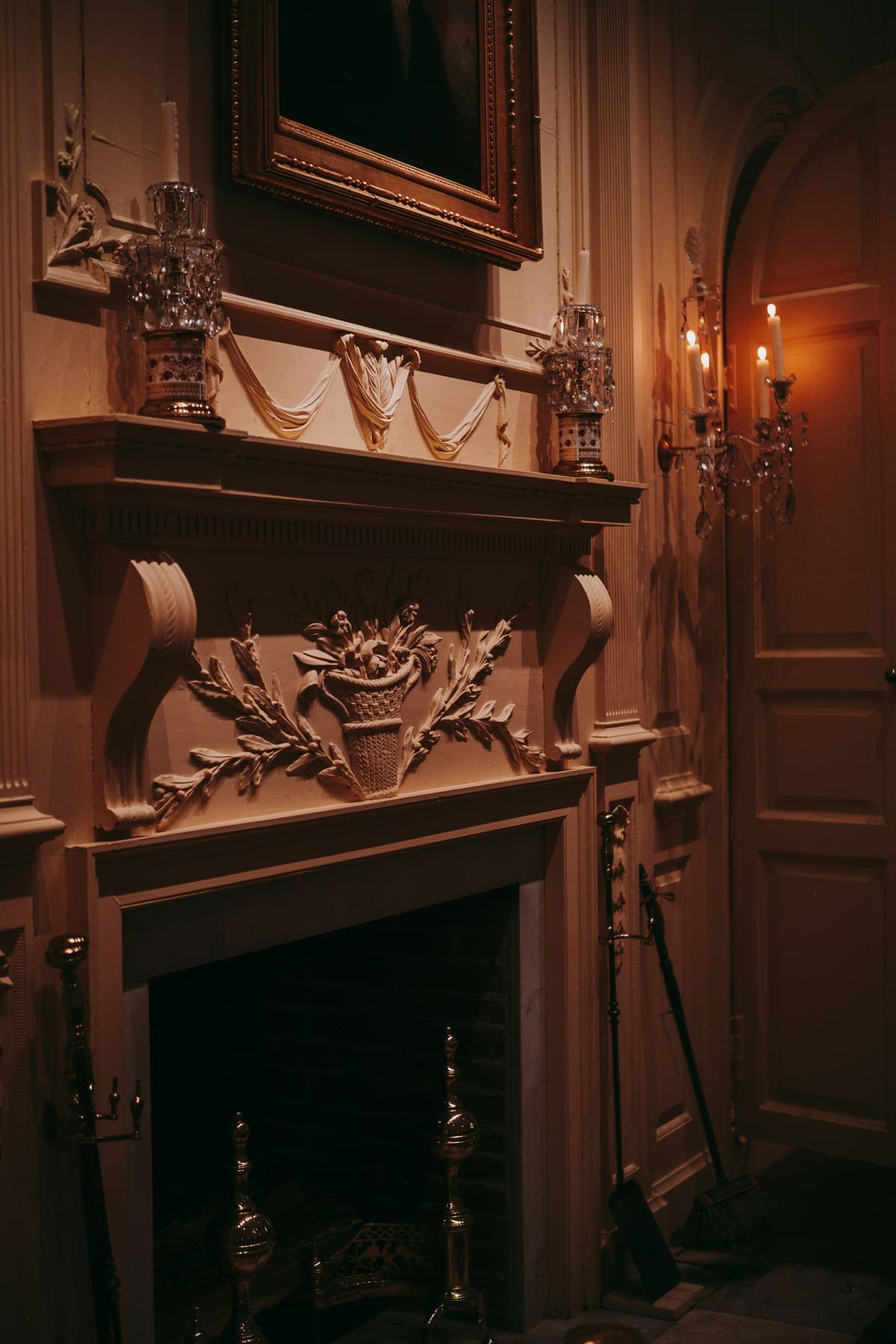
oughly half a million buildings in England are listed, and London holds a remarkable share of them — whole districts of Georgian and Victorian streets where the buildings are protected not just for their facades but for everything the listing covers, inside and out. If you own one, or are about to refurbish one, the two words that will shape your project more than any others are listed building consent.
The first thing to understand is what the listing actually protects. Owners are often told the listing covers “the front of the building” or “the original features”. Neither is reliable. A listing protects the building as a whole — including its interior, its later additions, and sometimes structures within its curtilage — unless the list entry says otherwise. The painted-over cornice, the 1950s rear extension, the cellar nobody has entered in a decade: all potentially within scope. The list entry is a description, not a boundary; the protection extends beyond what it happens to mention.
The second thing: consent is criminal-law territory, not paperwork. Carrying out works that affect the special interest of a listed building without consent is a criminal offence — for the owner and for the contractor. There is no time limit on enforcement, and the obligation to reverse unauthorised work attaches to the building, which means it transfers to future owners and surfaces, expensively, at the point of sale. This is why a competent contractor asks to see the consent before quoting, and why you should be wary of any builder who treats it as a formality to tidy up later.
What needs consent? Any work, internal or external, that affects the building's character as a building of special interest. Removing a wall, almost always. Replacing windows, almost always. Stripping plaster from original walls, moving a staircase, cutting a new opening, fitting a new kitchen where fabric is affected — usually. Repainting a room in a different colour, generally not. The grey areas are real, and the answer to a grey area is never to proceed and hope. It is a conversation with the conservation officer before the work, not after it.
The conservation officer is the most misunderstood figure in the process. Owners are often braced for an adversary, and occasionally find one; but in our experience the relationship runs on the quality of what you put in front of them. A vague application invites a defensive answer. A precise one — existing and proposed drawings, a schedule of works, a heritage statement that shows you understand why the building matters, method statements for the delicate operations — invites a professional conversation between people who both want the building to survive. The application is an argument; make it a good one.
Method statements deserve particular respect. For work on historic fabric, the consent will often be conditioned on how the work is done: lime mortar to match the existing, paint analysis before redecoration of significant joinery, salvage and reuse of original materials. This is exactly where the builder's instincts matter. A contractor who improvises past a method statement — substitutes cement for lime because it is Tuesday and the lime has not arrived — has not saved you time. They have put you in breach of a legal consent and damaged fabric the whole exercise existed to protect.
On programme: consent determinations formally run eight weeks, but listed building applications in central London routinely take longer, and complex ones take a season. Plan for it. The works that do not affect special interest can sometimes be staged ahead; the rest waits. A programme that assumes consent will arrive on the statutory date is a programme with a hole in it — and the temptation to start early, quietly, in the rooms nobody will check, is precisely the temptation that ends in enforcement.
The pre-application conversation is the best money in the entire process. Most London boroughs offer formal pre-application advice for listed buildings, and for any substantial project it is worth buying. It surfaces the conservation officer's concerns while the design can still move, turns the formal application into a confirmation rather than a gamble, and — not incidentally — signals to the planning department that you are an owner who takes the building seriously. Goodwill is not a legal instrument, but anyone who has refurbished two listed buildings can tell you what it is worth.
None of this should put you off owning or refurbishing a listed building. The constraints are real, but they are the same constraints that kept the street worth living on for two hundred years. Treated properly — early advice, honest applications, method statements respected on site — consent is not the obstacle to a fine refurbishment. It is the documentation of one.
We carry out consent-sensitive work with the paperwork in order and the conservation officer's conditions honoured to the letter. If you are weighing a project on a listed London building, get in touch — we are happy to look at the building and the list entry, and tell you honestly what consent is likely to require.
Cubitt Wren
Inspired by the greats. Built by hand.